

Conveyor Belt Cold Splice
Why Choose Us
Shanxi Betop Industry and Trade Co., LTD. was founded in 2008, and honored as "Shanxi Provincial private science and technology enterprise", "Top 50 Taiyuan Manufacturing Enterprises". We specialize in producing T2 Cleaning Rubber C, T2 Solution B, T2 Solution A, T2 Compound B, Conveyor Belt Repair Patch, Conveyor Belt Cover Strip, Clean Solvent, Conveyor Belt Repair Glue, and other Conveyor Belt Cold Splice.
Advanced Equipment
Our company owns advanced testing instrument produced by Taiwan Gotech Testing Machines Co., Ltd. and Harbin Hapro Electrical Technology Co., Ltd.
Rich Experience
We expertise concentrate maintains for more than 15 years on fire retardant pulley lagging products specifically applied in large and underground coal mines. The products have been exported to more than 50 countries and regions all over the world.
Conveyor Belts One-stop solution
Our products include cold bond adhesives, quick repair glues, hot splicing joints tie gum, cover sheet, pulley lagging rubber sheets, sealing skirt board covering nearly all the materials necessary for conveyor belt reparation.
Quick Response
Our commitment is to respond to your inquiries within 24 hours, ensuring that you receive the information and support you require in a timely manner.
-
![Cold Bond Cement with Hardener]() Cold Bond Cement with HardenerCold bond cement with hardener is suitable for cohesion of rubber-rubber, rubber-metal, rubber-fabric & fabric-fabric. Cold bond cement also called cold vulcanization glue or conveyor elt cold...read more
Cold Bond Cement with HardenerCold bond cement with hardener is suitable for cohesion of rubber-rubber, rubber-metal, rubber-fabric & fabric-fabric. Cold bond cement also called cold vulcanization glue or conveyor elt cold...read more -
![Primer for Metal Surfaces]() Primer for Metal SurfacesMetal primer used specifically for the surface pretreatment of metal to ensure the complete and persistent bonding between metal and rubber.When do pulley lagging service, will be used metal primer.read more
Primer for Metal SurfacesMetal primer used specifically for the surface pretreatment of metal to ensure the complete and persistent bonding between metal and rubber.When do pulley lagging service, will be used metal primer.read more -
![Conveyor Belt Repair Glue]() Conveyor Belt Repair GluePU - solution is a two component, room temperature, curing system. After curing, the layer has excellent flexibility, tear resistance, abrasion resistance and flame retardance,PU solution also...read more
Conveyor Belt Repair GluePU - solution is a two component, room temperature, curing system. After curing, the layer has excellent flexibility, tear resistance, abrasion resistance and flame retardance,PU solution also...read more -
![Clean Solvent]() Clean SolventClean solvent used for removing oil and grease, cleaning metal surfaces subsequent to blasting and grinding.Cleaning solvent is transparent liquid,used when do pulley lagging and conveyor belt repair.read more
Clean SolventClean solvent used for removing oil and grease, cleaning metal surfaces subsequent to blasting and grinding.Cleaning solvent is transparent liquid,used when do pulley lagging and conveyor belt repair.read more -
![Conveyor Belt Cover Strip]() Conveyor Belt Cover StripConveyor belt repair strip suitable for long distance conveyor scratch,tear break and edge wear,cracks repair;local skin damage repair,cold seal adhesive conveyor belt seamless bonding head.Using...read more
Conveyor Belt Cover StripConveyor belt repair strip suitable for long distance conveyor scratch,tear break and edge wear,cracks repair;local skin damage repair,cold seal adhesive conveyor belt seamless bonding head.Using...read more -
![Conveyor Belt Repair Patch]() Conveyor Belt Repair PatchConveyor belt repair patch is suitable for the local rubber conveyor belt layer damage repair, small area can be selected according to the size and shape of the damage area of different...read more
Conveyor Belt Repair PatchConveyor belt repair patch is suitable for the local rubber conveyor belt layer damage repair, small area can be selected according to the size and shape of the damage area of different...read more -
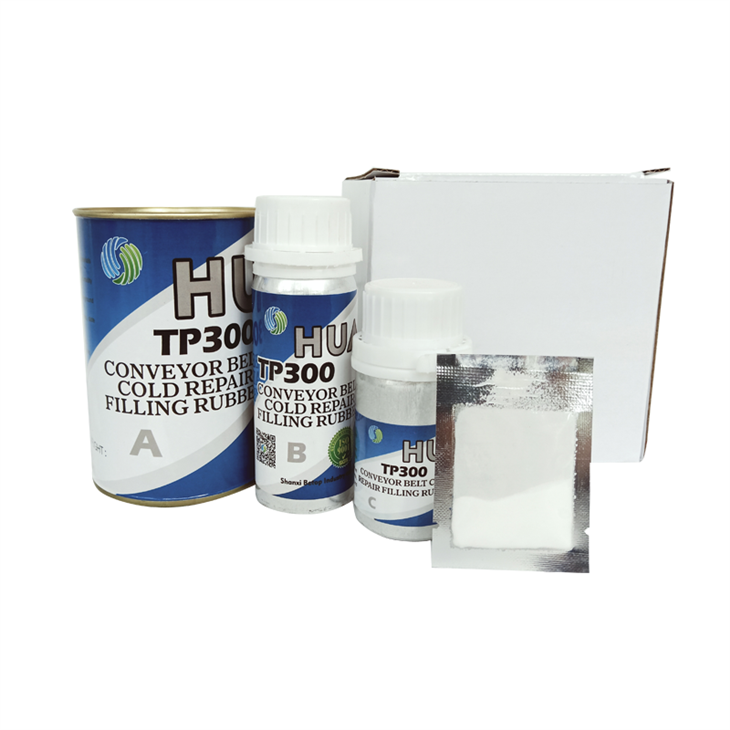
![T2 Compound A]() T2 Compound AFA compound A and FA compound B, two component repair compound, used for cold bond filling of gaps and joints in rubber lining and lagging, applied with compound master extruder gun.read more
T2 Compound AFA compound A and FA compound B, two component repair compound, used for cold bond filling of gaps and joints in rubber lining and lagging, applied with compound master extruder gun.read more -
![T2 Compound B]() T2 Compound BFA compound A and FA compound B, two component repair compound, used for cold bond filling of gaps and joints in rubber lining and lagging, applied with compound master extruder gun.read more
T2 Compound BFA compound A and FA compound B, two component repair compound, used for cold bond filling of gaps and joints in rubber lining and lagging, applied with compound master extruder gun.read more -
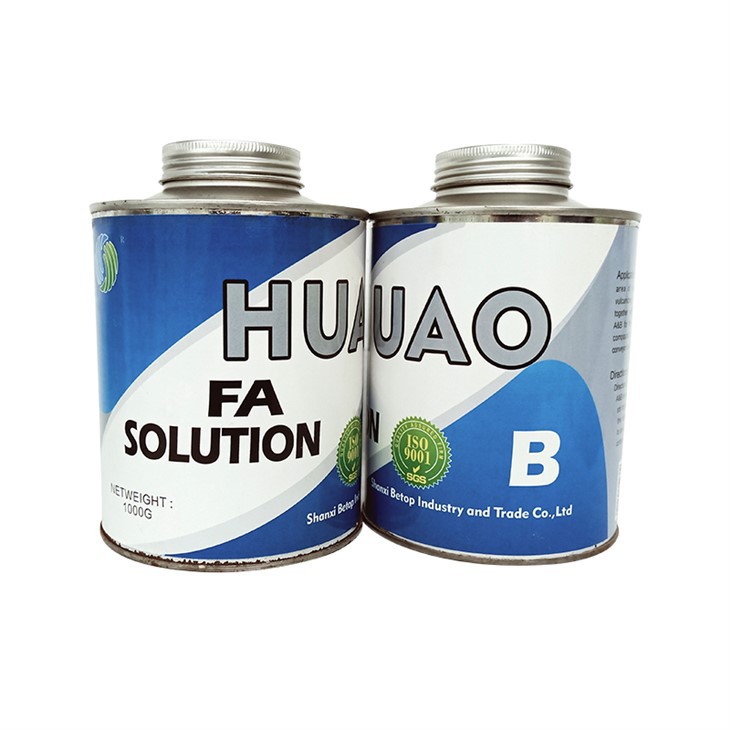
![T2 Solution A]() T2 Solution AFA solution A and FA solution B, two component solution, used for cold bond filling of gaps and joints in rubber lining and lagging, applied with compound master extruder gun.read more
T2 Solution AFA solution A and FA solution B, two component solution, used for cold bond filling of gaps and joints in rubber lining and lagging, applied with compound master extruder gun.read more -
![T2 Solution B]() T2 Solution BFA solution A and FA solution B, two component solution, used for cold bond filling of gaps and joints in rubber lining and lagging, applied with compound master extruder gun.read more
T2 Solution BFA solution A and FA solution B, two component solution, used for cold bond filling of gaps and joints in rubber lining and lagging, applied with compound master extruder gun.read more -
![T2 Cleaning Rubber C]() T2 Cleaning Rubber CFA clean rubber C is used for preheating the extruder gun and cleaning after extruded.read more
T2 Cleaning Rubber CFA clean rubber C is used for preheating the extruder gun and cleaning after extruded.read more


In cold splicing, the joint is not cured in a press. The belt ends are carefully laid together in proper alignment with the adhesive, and full contact is achieved with hand rollers, pressure rollers, or hammering in a prescribed pattern. If you want to know the specifications and prices of Conveyor Belt Cold Splice, please contact us!
Advantage of Conveyor Belt Cold Splice


No Heat Damage
The absence of heat during cold splicing eliminates the risk of heat-induced damage to conveyor belt materials. Heat-sensitive belts or those with temperature-sensitive coatings are particularly well-suited for cold splicing.
Versatility in Belt Materials
Cold splicing is suitable for a wide range of conveyor belt materials, including fabric, steel cord, and PVC. This versatility makes it a preferred method in industries where different types of belts are used.
On-Site Application
Cold splicing can be performed on-site, allowing for immediate repairs. This minimizes downtime, especially in industries where continuous operation is critical, such as mining, manufacturing, and logistics.
Reduced Risk of Belt Material Degradation
The absence of high temperatures in the cold splicing process reduces the risk of material degradation. This is crucial for maintaining the integrity and longevity of the conveyor belt.
Lower Energy Consumption
Benefit: Cold splicing generally consumes less energy compared to hot splicing methods. This can lead to cost savings and is more environmentally friendly, contributing to sustainable practices.
Applicability in Various Conditions
Cold splicing is suitable for diverse environmental conditions, including extreme temperatures. Its resilience in both hot and cold climates enhances its reliability in different operational settings.
Simplicity of Equipment
The equipment required for cold splicing is typically simpler and more portable than the machinery needed for hot splicing. This simplicity makes it a practical choice, especially in remote or challenging-to-access locations.
Improved Safety
Cold splicing enhances safety by eliminating the need for high-temperature equipment. This reduces the risk of burns and injuries associated with hot splicing, contributing to a safer working environment for operators
Early Repair
Catching a potential issue early can make all the difference with a belt splice.
Early identification of problem area can allow for faster and easier splicing. Larger scale repairs or multiple splices will require more time, effort and care to assure they are properly executed and won't cause a repeat issue.
Regular inspection of your conveyor belt will allow you to spot problem areas and make a belt splice when it is manageable.
Proper Conditions
To ensure a quality and durable belt splice, a clean workplace and the careful use of proper tools and products is essential.
The conveyor belt must be clean and dry. Remove any oily and greasy substances and rinse the belt with water to remove other contaminants.
Don't attempt to repair a conveyor belt in extreme heat or cold and avoid other weather conditions like rain, snow and high wind.
Quality Cuts
Proper application begins with flawless cuts and the preparation of the belt ends.
Quality equipment is essential as is using careful precision when cutting the conveyor material.
The belt should be cut at a bias angle, typically 22 degrees. After being cut, the ends are pulled apart to expose the various plies that must be joined. Precautions should be taken not to damage the plies as it will lead to a less secure belt splice.
Don't Over Applicate
One of the most significant errors made during conveyor belt splicing is the over application of bonding adhesives like glue or cement.
Applicators often take the "more is better" approach, and that isn't the case. Using the correct amount of adhesive will allow for a strong and long-lasting splice.
Don't Rush The Curing Process
Follow the belt manufacturer's recommended curing times and procedures. Using both the correct duration and temperature will ensure the ultimate cure for the splice conveyor belt.
Cutting the cure time short or using the incorrect temperature may impair the integrity of the splice. Monitor the time, temperature and pressure throughout the curing process for best results. After the cure is complete, inspect the repaired area before returning the belt to circulation.
How to Maintain Conveyor Belts With hot and Cold Splicing
Conveyor belts are frequently subjected to damage to their covers, fabrics and carcasses. Covers get rips, tears, cuts, gouges and scoring. Carcasses become worn and punctured. Belts crack and fray at the edges.
Conveyor belt repairs can take operations offline for a significant period of time. Using hot and cold splicing methods to repair a conveyor belt can immensely reduce downtime. Also, repairs using either of these methods can extend the life of your conveyor belt system.
The different types of conveyor belts include the nylon fabric belts, ST steel cord belts and flame retardant PVC whole core conveyor belts. Vulcanized splices ordinarily deteriorate from the inside out due to poor adhesion and signs of wear may come too late for any preventative measure. However, a vulcanized belt joint will nearly always outlive a mechanical splice. The process requires unique tools and a thorough knowledge of the rubber bonding process.
The cold splicing method utilizes vulcanized material such as patches and strips to repair a conveyor belt. Cold splicing does not use a press, but uses a bonding agent that causes a chemical reaction to splice the 2 belt ends together. The vulcanized material is placed over the damage area and secured with an adhesive. This makes the cold splicing method perfect for repairing belt covers damaged by scoring, gouges and other types of wear.
The hot splicing method uses heat and pressure to mend segments of a conveyor belt. Hot vulcanization splices are heated and cured under pressure with a vulcanizing process. The damaged part of the belt is carefully trimmed or removed. A new section repaired and bonded in place using cement or other adhesives. The hot splicing method is optimal for holes, cuts and tears in belt covers, steel cords and fabric.
Hot and cold splicing of belts require meticulous preparation to prevent contamination of the splicing area. Cold splicing requires relatively warm conditions and low moisture to ensure the cold vulcanizing cements work optimally.
Hot vs Cold Vulcanizing for Conveyor Belts



Conveyor belts typically incur damage to their covers, fabrics and carcasses. Covers acquire rips, tears, cuts, gouges and scoring. Carcasses become worn and punctured. Belts fracture and fray at the edges.
Conveyor belt repairs can take operations offline for a significant period of time. Using hot vulcanizing or cold vulcanizing methods to repair a conveyor belt can greatly reduce the amount of time your system is down. Additionally, repairs using either of these methods can extend the life of your conveyor belt system.
There are three kinds of conveyor belts namely:
- Nylon Fabric Conveyor Belts
- ST Steel Cord Conveyor Belts
- Flame retardant PVC Whole Core Conveyor Belts or Solid Woven PVC Belts
Vulcanized splices typically deteriorate from the inside out due to poor adhesion and signs of wear may come too late for any preventive measure. However a vulcanized belt joint will nearly always outlive a mechanical splice.h process requires unique tools and an intimate knowledge of the rubber bonding process.
The cold vulcanizing method employs vulcanized material such as patches and strips to repair a conveyor belt. Cold vulcanization does not use a press, but uses a bonding agent like Chemvulc's CV2002 or CV4000 that causes a chemical reaction to splice the two belt ends together. The vulcanized material is placed over the damaged area and secured with an adhesive. This makes the cold vulcanizing method ideal for repairing belt covers damaged by scoring, gouges and other types of wear. See Chemvulc's range of Repair strips and Cold repair patches for conveyor belts.
The hot vulcanizing method utilizes heat and pressure to mend sections of a conveyor belt. Hot vulcanization splices are heated and cured under pressure with a vulcanizing press. The damaged portion of belt is carefully trimmed or removed. A new section repaired and bonded in place using cement or other adhesives. The hot vulcanizing method is optimal for holes, cuts and tears in belt covers, steel cords and fabric.
Vulcanized splices have the highest practical strength as a vulcanized joint will prevent any leakage and material sift-through as the joint is continuous. You can't vulcanise anytime, anywhere - you need clean, dry and relatively warm conditions. Although on site this always isn't possible, sometimes the area needs to covered from rain or excessive sun, while the splice is being prepared.
Hot and Cold splicing of belts require meticulous preparation to prevent contamination of the splicing area. Cold splicing requires relatively warm conditions and low moisture to ensure the cold vulcanizing cements work optimally.
Vulcanized splices typically deteriorate from the inside out due to poor adhesion and signs of wear may come too late for any preventive measure. However a vulcanised belt joint will nearly always outlive a mechanical splice.
One of the significant advantages of lightweight belting is the splicing versatility and excellent properties of the splices. In particular, the thermoplastic category of belts utilizes this property to allow heat-welded splices that exhibit a high percentage of the original belt flexibility and strength. Typical splices possible in the lightweight category include:
Mechanical (Metal): Applicable to all lightweight belt types, this method offers quick installation and low cost. However, it has potential disadvantages such as reduced flexibility, noise, pollution, and product damage.
Finger and Double Finger: Primarily used on thermoplastic belts, these heat-welded splices offer excellent flexibility and high strength, especially the double finger variant. The double finger splice is also more reliable in polluted environments, v-guided belts, and in side-loading circumstances.
Step: This splice retains the highest percentage of the belt strength and is used in heavier applications. It is also more reliable for trough applications. Hot or cold (glued) splices are used on thermoplastic belt styles, while a cold-bond glue is most commonly used on rubber belts.
Skive: This is a common splice for nonwoven belts and serves as an alternative splice for thermoplastic and rubber belting. This splice can be done as a hot- or cold-glued splice.
Plastic Spiral: Nonmetallic plastic lacing is mostly used with thermoplastic belting. Its primary use is in the food industry for metal detectors or wherever you want to avoid metal. It is also quieter and more reliable than metal lacing in many high-speed applications, and therefore, is finding wider use in the logistics industry.
Quick Butt Weld: A convenient and quick butt weld is possible with solid plastic belts using specialized splice equipment.
Certifications

Our Factory


Frequently Asked Questions
We're well-known as one of the leading conveyor belt cold splice manufacturers and suppliers in China. Please feel free to wholesale high quality conveyor belt cold splice at competitive price from our factory. Contact us for more details.
conveyor belt cover patch, rubber lining for pulley, Cold Bond Cement With Hardener