


Why Choose Us
Shanxi Betop Industry and Trade Co., LTD. was founded in 2008, and honored as "Shanxi Provincial private science and technology enterprise", "Top 50 Taiyuan Manufacturing Enterprises". We specialize in producing T2 Cleaning Rubber C, T2 Solution B, T2 Solution A, T2 Compound B, Conveyor Belt Repair Patch, Conveyor Belt Cover Strip, Clean Solvent, Conveyor Belt Repair Glue, and other Conveyor Belt Cold Splice.
Advanced Equipment
Our company owns advanced testing instrument produced by Taiwan Gotech Testing Machines Co., Ltd. and Harbin Hapro Electrical Technology Co., Ltd.
Rich Experience
We expertise concentrate maintains for more than 15 years on fire retardant pulley lagging products specifically applied in large and underground coal mines. The products have been exported to more than 50 countries and regions all over the world.
Conveyor Belts One-stop solution
Our products include cold bond adhesives, quick repair glues, hot splicing joints tie gum, cover sheet, pulley lagging rubber sheets, sealing skirt board covering nearly all the materials necessary for conveyor belt reparation.
Quick Response
Our commitment is to respond to your inquiries within 24 hours, ensuring that you receive the information and support you require in a timely manner.

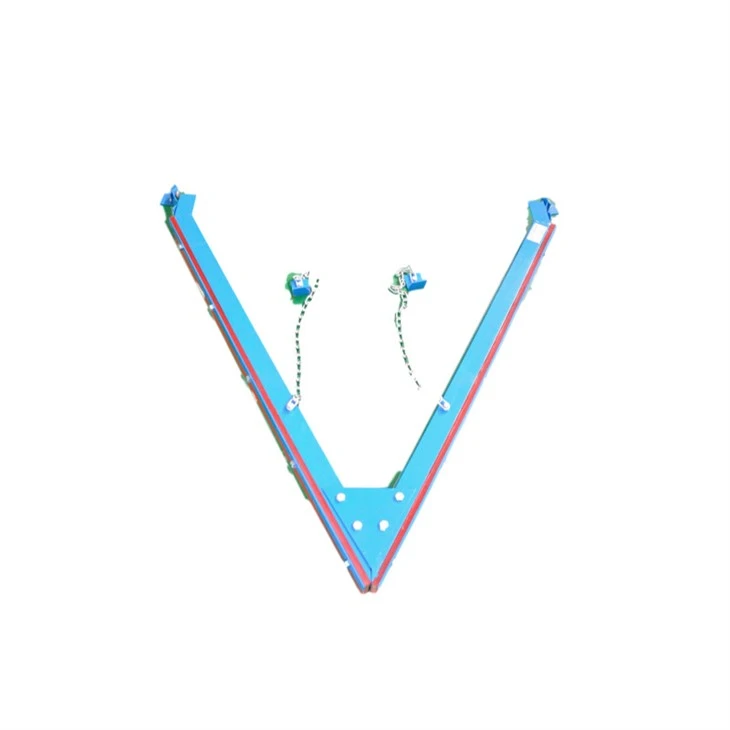
V-plough belt cleaner with excellent cleaning performance for the empty section (non-working belt surface) , suspension installation to prevent the belt and the roller.

Secondary belt cleaner also called secondary belt scraper used with hard metal (Tungsten adjustable blades) ensure long service life, excellent cleaning performance, prevent damage to the belt edges.

Primary belt cleaner used with highly abrasion- resistant polyurethane blades and rigid, torsion-free steel construction, quick mounting, prevent damage to the conveyor belt,also called primary belt scraper.

Impact bed can be reduce friction for the conveyor belts at the material feeding and transfer points, good sealing effect when used in conjunction with sealing skirt board. Impact bed can be adjustable or non adjustable.

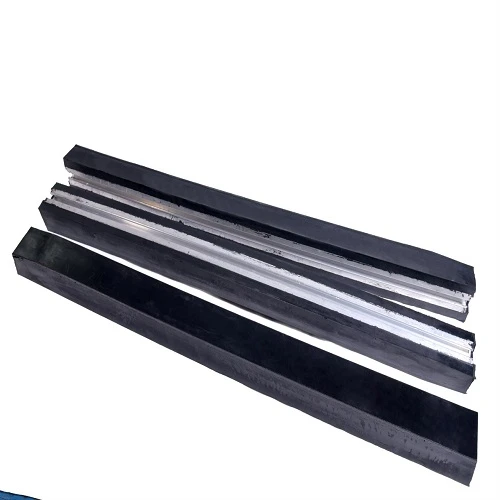
Impact bar combination of UHMW and elastic rubber. Outstanding sliding properties of UHMW polyethylene surface ensure the belt run smoothly, highly wear- resistant rubber absorb and Impact bar installed at the impact bed,dramatically reduce the shock and friction of the loading material to the belt.

Clean solvent used for removing oil and grease, cleaning metal surfaces subsequent to blasting and grinding.Cleaning solvent is transparent liquid,used when do pulley lagging and conveyor belt repair.
What is Belt Cleaner
Belt Cleaner is a device that scrapes and cleans deposits on conveyor belt. Prevents falling mines, misalighment, and cargo spillage, leading to safe operation of belt conveyors. If you want to know the specifications and prices of Belt Cleaner, please contact us!
The Importance of Conveyor Skirting and Belt Cleaning
A Barrier against Material Spillage
Conveyor skirting, also known as conveyor sealing, is a critical component that serves as a barrier between the conveyor belt and the surrounding environment. Its primary purpose is to prevent material spillage, control dust emissions, and minimize the risk of wear and tear on the conveyor system. Properly designed and maintained conveyor skirting can offer several benefits:
Material Containment
Conveyor skirting helps to confine materials within the conveyor system, reducing the chances of spillage and contamination of the working area. This containment is particularly important in industries where materials can be hazardous or harmful to the environment.
Dust Control
Conveyor systems often generate dust, which can be a nuisance and a health hazard. Skirting is instrumental in containing and managing dust emissions, ensuring a cleaner and safer working environment.
Extended Belt Life
By preventing material spillage and abrasive wear on the conveyor belt, skirting contributes to extending the belt's lifespan. This translates to significant cost savings in terms of maintenance and replacement.
Efficiency Improvement
Reduced spillage and dust emissions lead to a cleaner and more efficient conveyor system. A well-maintained conveyor system operates smoothly and consistently, minimizing downtime and disruptions in material flow.
Environmental Compliance
Many industries are subject to strict environmental regulations. Properly functioning conveyor skirting can help companies comply with these regulations by reducing emissions and minimizing environmental impact.
Conveyor Belt Cleaning: Keeping Things Smooth
While conveyor skirting focuses on preventing materials from escaping the system, conveyor belt cleaning is dedicated to maintaining the belt itself. Clean conveyor belts are essential for optimal system performance and longevity. Here are some key reasons why conveyor belt cleaning is vital:
- Material Buildup Prevention: Materials transported on the conveyor belt can accumulate, leading to uneven weight distribution and damage to the belt. Belt cleaning systems remove excess material to prevent such buildup.
- Optimized Traction: A clean belt ensures that materials move smoothly and consistently along the conveyor, preventing slip and slide, which can damage products and hinder efficiency.
- Reduced Downtime: Regular belt cleaning minimizes the need for unscheduled maintenance and downtime. It keeps the system operating at peak performance, which is crucial in industries where uninterrupted production is essential.
- Improved Product Quality: For industries handling sensitive or high-value products, clean belts help maintain product quality and integrity by reducing the risk of contamination.
- Energy Efficiency: A clean conveyor belt requires less power to operate, reducing energy consumption and, in turn, operating costs.
The Synergy Between Skirting and Cleaning
Conveyor skirting and belt cleaning systems work hand in hand to ensure the overall efficiency and cleanliness of the conveyor system. The skirting contains the materials within the system, while the belt cleaning mechanisms ensure that the conveyor belt remains in top condition. Together, they create a harmonious ecosystem that leads to a variety of benefits, such as:
- Increased Productivity: The combined action of skirting and belt cleaning systems ensures that materials flow smoothly, reducing disruptions and increasing productivity.
- Cost Savings: Reduced maintenance, extended belt life, and improved energy efficiency translate to cost savings for businesses.
- Safety and Compliance: A cleaner and more efficient system enhances safety and helps companies meet environmental and safety regulations.
Type of Belt Cleaner


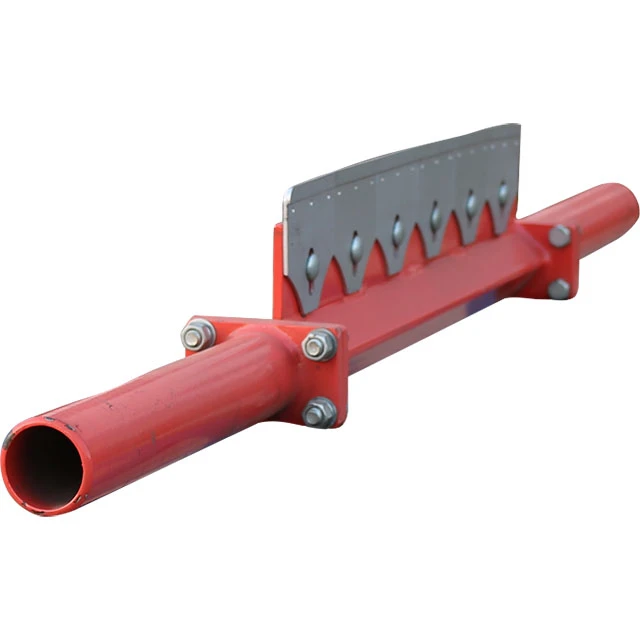
Primary Belt Cleaners
Primary belt scrapers are designed to remove debris known as 'carryback' from the belt surface, which can otherwise be transferred to the rest of the conveyor system. This causes extra wear and tear, and potentially shortens the life of the conveyor.
Primary belt scrapers can consist of either a single blade which passes along the width of the belt, or a series of short blades, with different blade material available to suit the individual system. They are installed at the head pulley, and can have adjustable torque or suspension systems to allow continuous contact with the belt surface at all times.
Secondary Belt Cleaners
The secondary cleaner is usually used in addition to a primary scraper. It is normally installed between the drive pulley and the first supporting roller to give the most effective performance, and clear any smaller waste particles which were not picked up by the primary cleaner.
There are several different types of belt cleaner and scraper available, to suit different types and sizes of machine, and the type of material transported. Secondary cleaners can be used without the primary cleaner, for example if the material is dry and fine.
Tungsten Carbide Cleaners
These belt cleaners use tungsten carbide blades to remove even the most resilient materials from conveyor belts. These are typically used in heavy-duty applications where other cleaners and scrapers may not be effective enough.
Non Contact Scrape Air
Moist to sticky materials are most suited to non-contact systems, which use an air suction method to remove spillages from the conveyor surface. They can also be used with a spray bar for effective cleaning of dry and dusty materials.
Non-contact scrape-air conveyor belt cleaners cause no belt wear because they do not have any mechanical contact with the belt. They are a cost-effective and low maintenance solution for chevron belts and damaged belts, and are ideal for acidic materials.
They can be supplied with self-cleaning filters to minimise maintenance costs, and are also available with bypass regulators to control delivered air volume.
Chevron
If material is allowed to build up on the belt surface, it leads to carryback, which causes extra wear and tear on the rollers and drum. This increases maintenance costs. and shortens the life of the machine.
Chevron belt cleaners have rotating rubber discs which move in a sweeping action to remove debris, and can either be solid or notched to suit the conveyor belt speed and the spacing of the chevrons. They are suitable for wood processing, mineral, mining, and recycling plants.
Selection criteria The choice of a belt cleaner depends on the efficiency that is desired to obtain from the conveyor ; the material itself ; and the environmental conditions prevailing.
However the adoption of a cleaning system should be considered early in the conveyor project design phase.
It may prove to be very difficult to achieve an average degree of efficiency by retrofitting cleaning system into an existing plant; moreover, this operation may necessitate expensive modification to the plant structure.
Where high standard of cleaning is requested, and for particularly difficult applications, it is advisable to employ more than one cleaning system combining them in a way that increases the overall system efficiency.
It is however good practice that the user scrupulously observes the function and maintenance of the cleaners in use, to assure their maximum and continuous efficiency.
The belt cleaners proposed in this catalogue may be used for each type of application. They are well known for their efficiency, for ease of installation, for their project simplicity and economy of use.
There may be irregularities on the belt surface, such as metal clips, removed or lacerated sections of parts of the belt cover layers this may create abnormal wear in the components of the chosen scraper and lead to even further irregularities as mentioned above.
Conveyor systems with belt cleaners are used in a wide range of industries where materials and goods need to be transported efficiently and safely. Here are some of the primary industries that rely on conveyor systems with belt cleaners:
Materials Recycling Facilities (MRFs)
Designed to separate materials for recycling. The conveyor belt plays a significant role in the MRF's operations, moving large quantities of materials between the equipment and throughout the facility. Over time, the conveyor belts can become soiled with debris with materials gathered in the belly pans, which can affect the accuracy of the sorting process and cause damage to the machinery. Conveyor belt cleaners help to ensure that the conveyor belts remain clean and free from debris, enabling the conveyor systems to continue operating efficiently. A range of conveyor belt cleaners is available, from simple belt scrapers to sophisticated systems that use motorised brushes, sprays, or air to clean the belts. Using conveyor belt cleaners is an effective way to keep the MRF running smoothly and reduce downtime, ultimately saving money and boosting productivity.
Power Generation
Power plants use conveyor systems to transport coal and other raw materials needed for energy production. Belt cleaners are critical to this industry, as materials can accumulate on the belt and potentially cause equipment failure or even fires.
Mining
Mining companies use conveyor systems to transport raw materials from excavation sites to processing plants. Belt cleaners are essential in this industry, as the materials transported can be abrasive and cause significant damage to the belts if not properly cleaned.
Incinerator Bottom Ash (IBA) Processing Plants
Critical to running operations smoothly. IBA processing plants are designed to extract metals from ash residue generated during the incineration of municipal waste. During the process, conveyor belts move large quantities of ash through the plant. Over time, ash can build up on the belts and belly pans, which can cause them to slow down, slip, or even damage the machinery.
Manufacturing
Manufacturing plants transport raw materials and finished products around their facilities using conveyor systems. Belt cleaners help to ensure that the belts are running smoothly and efficiently, preventing jams and reducing downtime.
Food Processing
Food processing plants use conveyor systems to transport fruits, vegetables, meats, grains, and other ingredients through their operations. Belt cleaners are vital in this industry to ensure that the conveyor belts are free from any residual materials that could contaminate the food sources.
What Factors Can Cause the Belt Conveyor Cleaner to Fail
Inappropriate Selection of Cleaner
The belt cleaners are divided into main types according to the structure: Scraper type, rotary type, water spray type, brush type; According to the materials used, there are mainly: polyester ammonia cleaner, nickel-titanium aluminum alloy, alloy rubber cleaner; According to the working principle, there are mainly mechanical and electric. The selection of the cleaner should be based on the site conditions, and a sweeper that conforms to the working conditions should be installed.
Incorrect Installation
- The belt conveyor cleaner can be divided into 3 parts: Head cleaner, middle cleaner, and tail cleaner. The installation positions of them are different, and their functions are also different.
- Head cleaner: The head cleaner is used for cleaning the return belt. The cleaner is matched with the belt conveyor, equipped with heavy hammer tension and spring tension. The cleaning medium for ordinary belts is rubber strips, and the strong belts use alloy or polyurethane.
- Middle cleaner: The middle cleaner is used to clean the working surface of the belt, so that the sticky material on the lower belt surface should not be transferred to the lower supporting roller and the reversing roller. The middle cleaner is installed within 5 meters behind the unloading point in the middle of the belt or 2/3 of the belt conveyor body (distance from the machine head).
- Tail cleaner: The tail empty section cleaner is responsible for cleaning the front working surface of the belt conveyor tail, and is installed within 5 meters in front of the tail buffer roller frame.
Tool Headwear
The cutter head will wear out after the cleaner is used for a period of time. After abrasion, there will be a gap between the cutter head and the belt, resulting in a poor belt cleaning effect. The belt conveyor cleaner should be checked frequently, and if the cutter head is found to be severely worn, it should be adjusted or replaced in time. Ensure its cleaning effect and prevent the occurrence of belt return with the material.
Blocking
Blocking will cause the cleaner to deform, or the installation angle change, resulting in poor cleaning results. Always check and make adjustments in time.
Belt Aging
After the belt ages, small cracks will appear on the surface, and small powdery materials will enter it. Scrapers and cleaners cannot be solved, only external forces can be used to solve them.
The Length of the Conveyor Belt
The longer the belt, the more unstable the blanking, and the more likely it is to bring back the material. It is necessary to control the stability of the blanking, replace the damaged roller in time, and clean the crust on the roller.
How to Maintain Belt Cleaner
When approaching cleaner maintenance, there are three simple principles to remember: Clean it. Inspect it. Tension it.

Clean it
Conveyor Belt Cleaner MaintenanceIt may sound obvious, but the first rule of thumb with cleaners is to remove any debris from the blade and tension springs. Cleaners will shed most of the carryback into the chute or onto the receiving belt but sometimes it will come to rest on the cleaner itself. Tensioners can't do their jobs with debris stuck in them and removing material build up from blades will make them much more effective. Plus, a dirt-free cleaner is much easier to inspect.
Inspect it.
Conveyor Belt InspectionA simple visual inspection can do wonders for a cleaner. You can check to see that everything is in working order and replace any damaged components. When it comes to blades, inspect the visual wear lines to ensure that the blades have not reached the end of their lives. As you inspect the blades, make note of how close you are to complete wear and the approximate amount of time it took to get to that point.

Tension it.
Conveyor Belt Cleaner TensionTension the blade to accommodate the blade wear and to get optimal cleaning performance. In most cases, this is done quickly and easily by referencing the tension check decal on your cleaner and measuring the tension spring to ensure the blade is properly tensioned. If no decal is present, a simple check of the operations manual should provide the answers you need.
Certifications

Our Factory


Frequently Asked Questions
Hot Tags: v-plough belt cleaner, China v-plough belt cleaner manufacturers, suppliers, factory, conveyor belt impact bed, hot splice skim rubber, , ,


